Creating a new symphony or ballet and designing a new kitchen or bathroom have a lot in common. At the heart of each is a hardworking team of creators, designers, and crew members combining their specialist skills to create something sublime. For almost 80 years, the world-class remodeling firm Neil Kelly has been bringing its unparalleled craftsmanship, innovative thinking, and uncommon service to thousands of clients across the Pacific Northwest. We sat down with Design Director Mary Miksch to get an inside look at the creativity, collaboration, and passion that drives their work.
The Design/Build Difference:
Neil Kelly has long been known for its design/build remodeling approach. For homeowners unfamiliar with the model, how does having designers and builders working together from the beginning shape the success of a project?
The biggest difference with design/build is that everything is aligned from the beginning. You’re not designing something in isolation and handing it off to be priced later. I’ve worked in design-only environments where you can design the Taj Mahal with white marble everywhere, and then the client has to go find someone to build it—that’s when the sticker shock happens. You can fall in love with something you can’t afford to build, and by that point you’ve already spent real time and money. With design/build, our designers and builders are working together early, so every decision is grounded in cost, constructability, and timeline from the start.
A Home as a Reflection of Self:
A home can feel almost like a portrait of the people who live there. When you begin working with a client, how do you start uncovering the personality, routines, and values that should shape the design of their space?
That’s honestly one of the most enjoyable parts of the work. Designers don’t want to operate in a vacuum or just apply their own preferences over and over. Constraint is what drives creativity, and there’s nothing more interesting than understanding who the client is and letting that shape the direction of the design.
Our first appointment is in the home, and we’re usually walking right into real life—kids doing homework, dinner getting started, things a little chaotic. That’s what we want to see. There’s no need to clean up like you’re hosting. The clutter and the conflict are what help us understand what’s not working.
The process is a bit like a first conversation or even a first date—lots of open-ended questions, a lot of listening. Early on, the questions aren’t really about defining a specific style. We’re much more interested in things like mood and feeling. Instead of asking, “What’s your style?” we might ask something like, “What’s your favorite season?” That tends to reveal more about how someone wants their home to feel than any label would.
The Art of Listening:
Before a single drawing is made, there’s a lot of conversation. What are some of the most important questions you ask clients early on to understand how they truly want to live in their space?
It starts with being genuinely curious about people. We start by really talking about the why before moving on to the what and the how. Being grounded in your motivation for even taking on the project is the first step.
From there, we focus on patterns, how people are actually using their space and where things start to break down. Questions like “Where does your day bottleneck?” or “What have you already tried to fix, and why didn’t it work?” usually get to the root of the issue pretty quickly.
We’re also paying attention to how decisions get made, who needs to feel heard, and how much guidance someone wants. All of that shapes how we move through the design process.
We’ve recently developed a workbook to help clients reflect more deeply, either ahead of time or together with the designer, so we can get aligned in a more meaningful way.
The Emotional Side of Design:
Remodeling isn’t just about changing a layout or updating finishes—it’s often about reimagining how someone lives day to day. What moments in the design process remind you that you’re helping shape someone’s life at home?
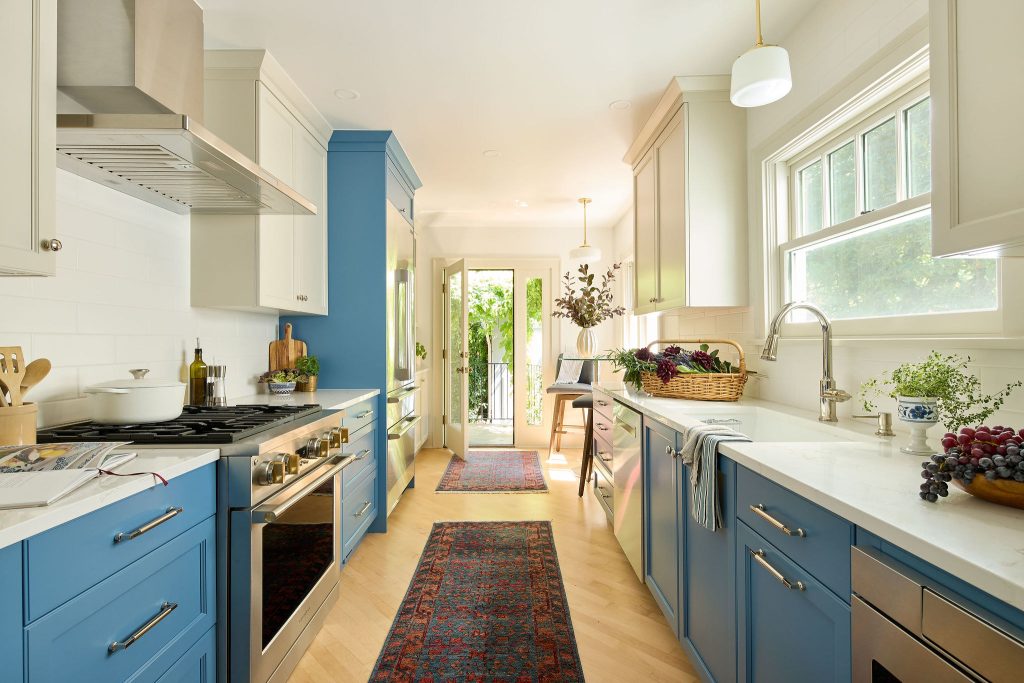
It’s those small moments that stick with you. I always loved when the dog recognized me for the first time or the cat ended up in my lap. The daily rhythm of the house going on around us while we’re sitting there looking at samples—that’s when it really hits that we’re not just changing a layout; we’re stepping into someone’s life and trying to make it work better.
The Story of a House:
Every home has a history and character of its own. How do you approach remodeling in a way that respects the story of an existing home while helping homeowners create the next chapter?
My personal background is in traditional architecture, where I learned to design with the language of the past in the right context. There are some instances where you really do want to “first do no harm” to a beautiful Victorian or Craftsman exterior, and knowing how to do that correctly is important.
What we want to avoid is what I call the “spaceship effect”—where one room feels like it landed from another time and place. It’s a jarring transition, and you feel it immediately.
There are subtle ways to blend someone’s personal preference for a different style into an existing home, and it starts with maintaining that feeling of harmony as you walk from room to room.
The Influence of the Northwest:
Neil Kelly has been shaping homes in the Pacific Northwest for generations. How does this region—its natural landscape, climate, and culture—influence the way you design spaces?
We’re lucky to have such beautiful natural surroundings here, and often the best thing we can do is enhance that rather than compete with it. Whether it’s framing a view of Mount Hood or highlighting a perfect Japanese maple, the view out the window is often the showstopper. That allows the design to pull back a bit and be quieter. The color stories we are seeing now tend to be in harmony with nature—rich greens, blues, and earthy tones that reflect what’s already happening outside.
Spaces that Support the Way We Live:
Many people spend more time at home than ever before. How do you help clients think about designing spaces that truly support their lifestyle—whether that means entertaining, working, relaxing, or gathering with family?
Here in the Pacific Northwest, people tend to live and entertain a little more casually. So part of the work is helping clients let go of what they think a space is supposed to be and really look at how they’re using their home.
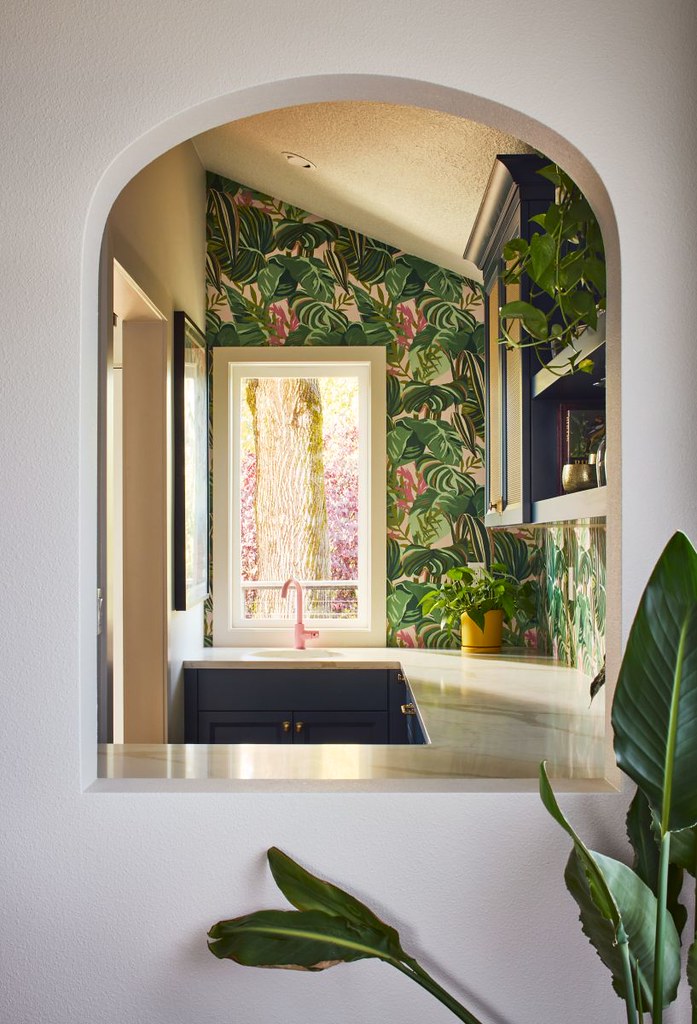
One example that stands out is a family who had turned their formal dining room into an office. There was a great opportunity to improve the kitchen layout if we closed off the connection between the two spaces, but that felt like a big shift. So during the design process, they actually taped up cardboard over the opening and lived with it for a few weeks.
It gave them a chance to test the change in real life, and it ended up being the right call. That kind of thinking—trying things, adjusting, and designing around how you actually live—is what leads to the best outcomes.
The Details that Change Everything:
Often it’s the subtle details—the flow between rooms, natural light, thoughtful storage—that transform a home. What design elements can make the biggest difference in how a space feels and functions?
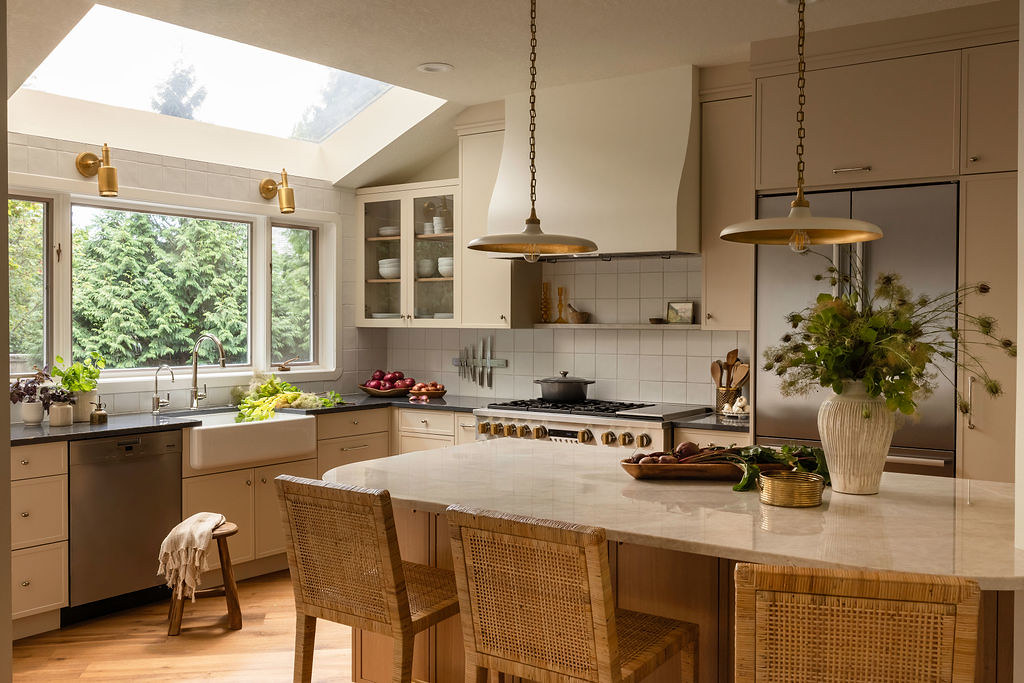
Feeling and function are related more than you may think, especially when it comes to storage. Many of our designers will even do a cabinet inventory, measuring things like pots and pans so we can be really intentional about where everything goes. It’s about creating a place for everything, and making sure it actually works.
When that’s done well, it completely changes how a space feels. It’s not just more functional, it’s calmer. Nothing is competing for space, everything has a place, and that’s what starts to feel like luxury.
Designing for Today and Tomorrow:
Many homeowners want spaces that will grow with them over time. How do you help clients design homes that support their current lifestyle while remaining flexible for the future?
There’s a balance between designing for someone’s current preferences and making sure it will last long enough to be worth the investment. People may love current trends, but we try to incorporate those in ways that are easier to change over time. For example, cabinets and countertops might stay more timeless, while a backsplash or paint color can carry more personality and be updated later.
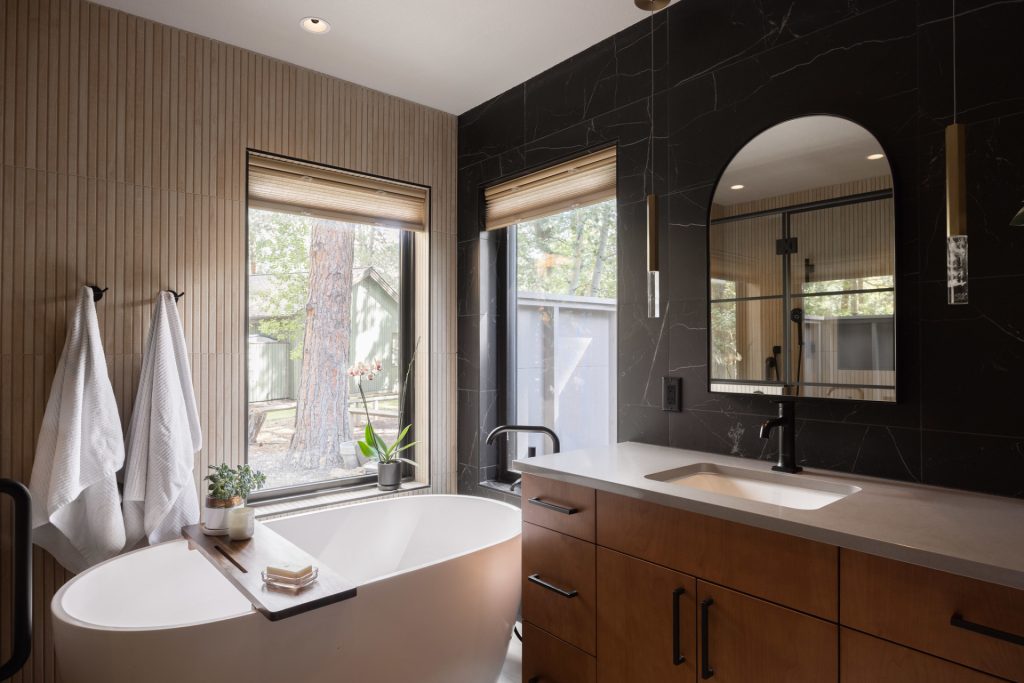
Function is another big part of it. A lot of the time we’re working in someone’s forever home, so we think ahead. We’ll do things like add backing behind shower walls for future grab bars, even if they’re years away from needing them.
Architecture Meets Everyday Living:
Your background includes architecture as well as business strategy. How does that perspective influence the way you approach residential remodeling and the experience you create for clients?
My background in architecture shapes how I think about space, but over time my focus has shifted more toward how those ideas actually get executed. There’s just as much value in how we make a concept a reality as there is in what it looks like. As a design/build company, we’re not creating something that only works in concept—we’re thinking through how it gets built, what it will cost, and what it takes to make it successful. That means making sure design decisions align with budget, timeline, and what it’s going to feel like for a client to live through construction. Those things aren’t separate from the design; they’re part of it.
Craftsmanship and Collaboration:
Neil Kelly’s projects bring together designers, craftspeople, and homeowners as collaborators. How does this team approach influence both the design process and the final result?
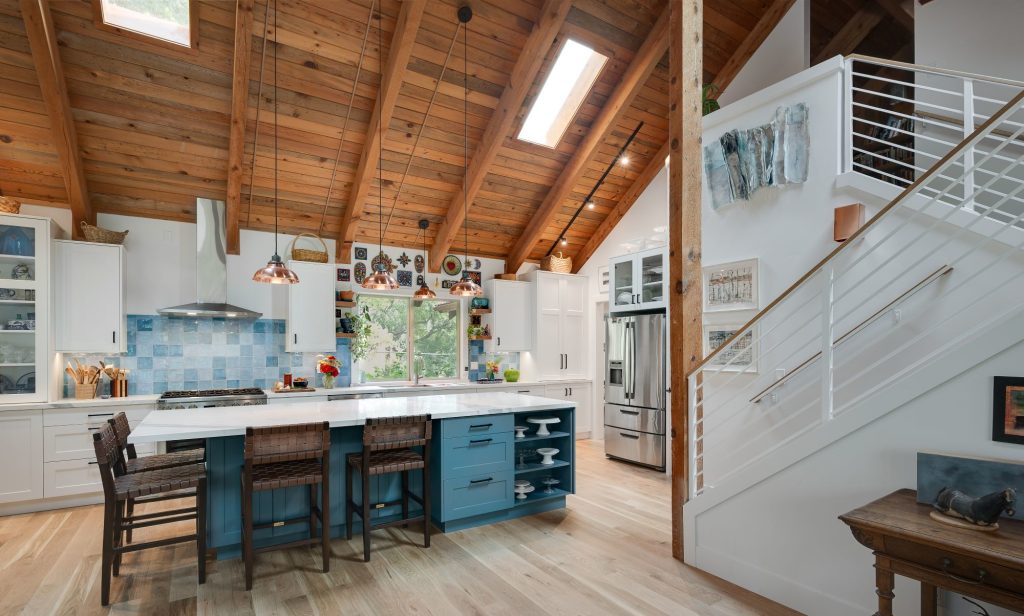
It is amazing to see the partnership between our project managers and our designers. They really are two halves of the whole when it comes to managing a project. When designers and craftspeople are working together early, the design benefits from that hands-on experience. There’s a level of knowledge from the field that you just can’t replicate otherwise, and it often leads to better, more thoughtful solutions. It also creates a shared sense of ownership. Everyone is invested in the outcome, and that shows up in the quality of the work.
Leading the Next Generation of Designers:
As Portland Design Director, you also mentor and guide your design team. What excites you most about helping the next generation of designers grow within the Neil Kelly tradition?
What excites me most is watching someone grow from designer into consultant, someone who takes care of the whole client, not just the project. What I try to nurture in this next generation is the confidence to have hard conversations, find creative solutions, and show up in a way that is fully authentic for them.
When we host client events, it’s a little like meeting celebrities. I’ve heard these names so many times, seen the work, know the story. But watching the genuine trust and connection between our designers and their clients in that room is more meaningful to me than any before-and-after photo. That, to me, is the Neil Kelly tradition.
About Neil Kelly Company
For nearly 80 years, Neil Kelly has built a reputation for award-winning design, innovative practices, outstanding craftsmanship, and community engagement. The largest residential design-build remodeling firm in the Northwest, Neil Kelly helps homeowners care for all aspects of their homes. Services include design-build remodeling, custom homes, solar energy systems, and home improvement repairs.
Neil Kelly is proud to be a certified benefit company (B Corporation) and seeks to be a caring corporate citizen. With locations in Portland, Seattle, Bend, and Eugene, Neil Kelly is renowned for its innovative design and remodeling services, quality craftsmanship, and sustainable building practices. Homeowners are invited to visit Neil Kelly centers or attend free educational workshops.
For more information, visit Neil Kellys website.